Best Paid Music Promotion Tools [2026]: Pricing & Reach
By Loop FansMarch 12, 2026
Updated May 2026 · Reviewed and refreshed for 2026 with current pricing, features and our latest recommendations for independent artists.
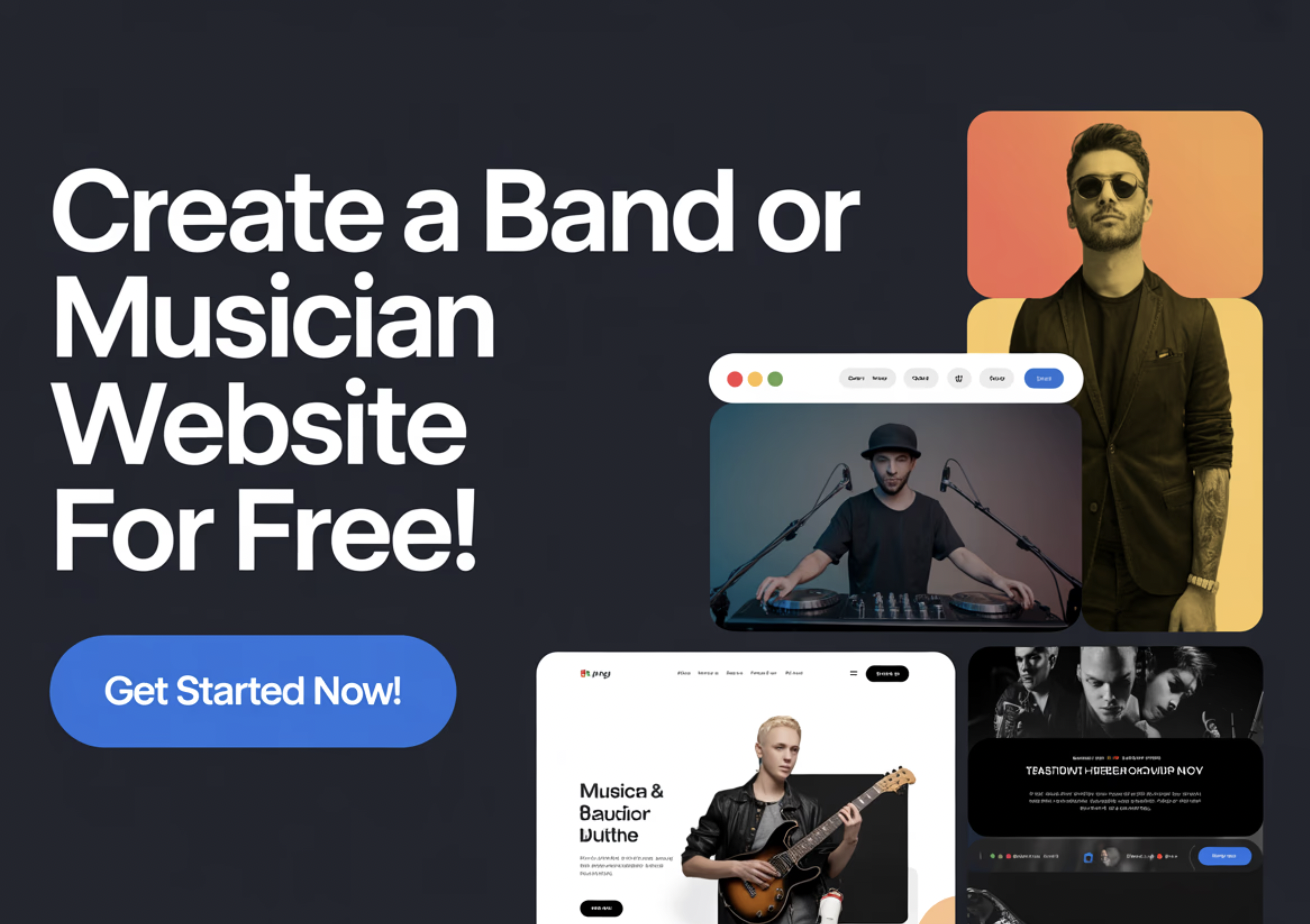
Are you looking for an all-in-one musician website builder, fan CRM, online store, and fan messaging platform? Get started with LOOP FANS for FREE!
Our top pick for 2026 is Loop Fans — a free all-in-one platform that gives independent musicians their own website, fan CRM, online store and direct fan messaging, so every promo campaign sends listeners back to an audience you own rather than a platform you rent. In today’s music industry, having great songs is only half the battle—music promotion is essential to get your tracks heard. Independent artists often act as their own marketing team, using various music marketing tools to build an audience. The good news is there are many services that can help. In this article, we explore the best music promotion services available, focusing on paid music promotion tools that deliver results. We’ll cover a mix of playlist promotion services, social media promotion platforms, and all-in-one marketing solutions – including emerging tools like Hypeddit and un:hurd music. By comparing features, pricing, pros, and cons, you can find the right services to promote your music online effectively.
1. un:hurd music – Data-Driven All-in-One Music Marketing Platform
un:hurd music (styled as un:hurd) is a newcomer rapidly becoming a top choice for independent artists. It’s an all-in-one music marketing platform specializing in automated campaigns and insights. Un:hurd combines several tools under one roof – from guided promotional planning to playlist pitching and even advertising – making it a one-stop solution for artists who want to level up their reach. The platform uses data and AI to help target the right audience for your music and streamline your promotion workflow.
One standout feature of un:hurd music is its “release cycle” tool, which provides step-by-step guidance and templates for each stage of your release. This means from the moment you finish a song, un:hurd suggests what to do next (like social media teasers, pre-saves, etc.), all the way through post-release marketing. Un:hurd also offers a built-in network of playlist curators across genres that you can pitch to directly (unhurdmusic.com). In other words, the platform doesn’t just tell you what to do—it actually helps you do it by connecting you with curators (for playlist placement) and providing tools to run ads and track fan engagement. It’s a comprehensive approach that bridges strategy and execution.
Pricing: In early 2026, un:hurd moved to a membership-only model – no more free tier or pay-per-use options. The Monthly Membership costs £12.99/month (up from £9.99) and now includes one playlist pitch per month (worth £6). The Annual Membership is £69.99/year (down from £99.99) and includes 120 pitching credits (worth £72) – essentially making the membership free when you use the credits. Individual playlist pitch costs have also been reduced from the previous £6.99 per pitch. Both plans include access to the new Ad Builder (integrated with Base for Music), which lets you run ads across Spotify, YouTube, Instagram, TikTok, and Facebook without needing your own ad account. un:hurd also offers a 7-day free trial to test the platform before committing.
Pros: un:hurd music offers an impressive breadth of features under one platform. The 2026 membership overhaul means every subscriber gets pitching credits baked in, eliminating the nickel-and-dime feel of per-pitch fees. You get the benefit of data-driven guidance (so you’re not guessing what promotion steps to take) and practical tools to execute those steps immediately. The integrated playlist pitching is a huge plus – artists have reported high success rates and significant Spotify growth using un:hurd’s pitching (with some seeing 75% of their targeted playlists accept their song, according to testimonials). The platform’s focus on analytics and “smart targeting” helps ensure you reach the right listeners rather than blindly promoting to random audiences. Another pro is its affordability: the basic functionality can be used free (pay-as-you-go) and the Pro plan is reasonably priced for the value, making advanced marketing techniques accessible to DIY artists. Partnerships with services like CD Baby and SoundCloud also indicate un:hurd is well-connected in the industry, potentially adding more value to subscribers.
Cons: As a newer service, un:hurd music is still growing its network and feature set. The playlist pitching, while effective, now requires a membership – the annual plan includes 120 credits, but heavy pitchers may need to purchase additional credits beyond that Unlike some standalone playlist services, you may have slightly fewer curators to choose from (since un:hurd’s network is curated for quality, it might not yet match the sheer volume of SubmitHub’s 2,000+ outlets). Additionally, because un:hurd packs so many features, there can be a learning curve to take full advantage of everything (the guided approach helps, but some users might feel overwhelmed at first by all the tools available). That said, un:hurd is constantly updating (even planning an AI Marketing Assistant feature soon) and is backed by industry investors, so it’s quickly ironing out any early kinks. Overall, for artists who want a comprehensive music marketing tool, un:hurd stands out as the top choice in 2026.
2. SubmitHub – Playlist & Blog Submission Marketplace
SubmitHub is often the first name artists hear when looking for playlist promotion services or blog placements. Launched in 2015, it essentially created the template for modern music submission platforms. SubmitHub allows you to send your songs directly to a huge list of curators – including Spotify playlisters, music bloggers, radio DJs, and even YouTube channel owners – all in one place. The platform guarantees that curators will listen to your submission (if you use paid credits), providing a level of assurance that your song won’t just end up in someone’s inbox abyss.
The process is straightforward: you upload your track (via a link from Spotify, YouTube, or SoundCloud) and then choose which curators or influencers you want to pitch. SubmitHub provides detailed profiles and statistics for each curator, so you can see their genre preferences, acceptance rate, follower count, etc. This transparency helps you target the most relevant outlets for your music. When you submit, if you’ve used premium credits, the curator must listen and respond within 48 hours, either by approving (sharing your music) or declining with feedback. This quick feedback cycle is valuable; even if you get a rejection, you often receive a brief comment on why the song wasn’t a fit.
Pricing: SubmitHub operates on a credit system. One premium credit costs roughly $1 (prices can drop slightly when buying in bundles), and it takes 1-3 credits to submit to one curator depending on that curator’s rank and response rate (twostorymelody.com). Most standard outlets charge 2 credits (≈$2) per submission. There’s also a completely free option where you use “standard” credits that regenerate slowly, but those submissions are not guaranteed a listen or timely response – so most serious users opt for paid credits. In essence, you might spend $10 to $20 (10–20 credits) to pitch a single track to a curated list of 10 or so outlets of your choice. It’s a pay-per-submission model with no subscription required, which is great for budgeting per release.
Pros: SubmitHub’s biggest strength is its large network of curators and influencers. As of recent counts, it boasts nearly 3,000 active curators, covering practically every genre and niche. If there’s a specific audience for your music, chances are there’s a SubmitHub curator catering to them. The platform is also extremely transparent – you can see each curator’s stats (e.g. what percentage of songs they approve, average response time, etc.) and even read other artists’ feedback on them. This data-driven approach means you can strategize your submissions for better results. Another pro is the guaranteed feedback (for paid submissions); you won’t be left wondering if a curator heard your track. The feedback, while sometimes terse, can provide insight or at least closure. SubmitHub is also relatively affordable because you pay per submission – you could spend as little as a few dollars on a small campaign, or scale up as needed, making it flexible for different budgets. Lastly, it’s multi-purpose: not only one of the best Spotify promotion services (via indie playlists), it’s also widely used for blog PR outreach and even label A&R in some cases.
Cons: The obvious downside is that approval isn’t guaranteed. You might spend $20 on credits and end up with mostly polite rejections. An average approval rate might be 10-20% for well-targeted submissions (it varies by genre and song quality), so it can take persistence and some budget to land multiple placements. The feedback from curators, while guaranteed, can sometimes be very generic or subjective (“I didn’t feel the track” or “not a fit for my playlist”), which may not always be actionable. There’s also a risk of curators who are overwhelmed with submissions – some artists feel that certain curators click “Decline” with a boilerplate message just to earn their small fee. Another con is that SubmitHub focuses on pitching individual curators one by one; this manual approach requires time and research to use effectively (though the site’s filters and data help a lot). In short, SubmitHub is a powerful tool for DIY promotion, but success depends on the music’s fit and the effort you put into targeting the right curators. It’s best used alongside other strategies for a well-rounded campaign.
Playlist Push is a paid service focused on getting your song onto independent Spotify playlists. Unlike SubmitHub, which is micro and manual, Playlist Push works more like a full-service campaign—you pay a set fee and they handle pitching your track to a network of playlist curators. It’s known as one of the premier (and pricier) options for Spotify promotion. If your goal is to see a spike in streams and followers on Spotify specifically, and you have a budget to invest, Playlist Push is a go-to platform.
When you run a Playlist Push campaign, you choose the general genre of your track and some targeting info, and then their system sends your song to a selection of Spotify playlist curators that match your style. These curators (who have signed up with Playlist Push to receive music) will listen and decide if your song fits their playlist. Over a campaign period (usually a couple of weeks), you’ll hopefully get added to a number of playlists, resulting in an increase in streams, saves, and followers. The platform provides a dashboard where you can track which playlists added you and the listener reach of each. Playlist Push curators are incentivized to give honest feedback and can only maintain their status by avoiding botted/fake playlists, so the quality control is fairly high – meaning your music should end up only on legitimate, organic listener playlists.
Pricing: Playlist Push is known to be expensive compared to other tools. The cost of a Spotify playlist campaign starts around $300 at minimum and can go up to $1,000 or more for wider targeting (help.playlistpush.com). In fact, the average campaign cost is about $450 for a mid-sized push. The pricing depends on how many playlists/curators you want to reach – essentially you set your budget and that determines the number of curators they’ll pitch to. (Their website notes that campaigns range from targeting maybe 40 playlists on the low end up to 100+ on the high end.) It’s a one-time cost per campaign, not a subscription. They also offer campaigns for TikTok influencers now, which have a different pricing structure (minimum ~$340). Because of the high minimum budget, Playlist Push is something artists often save up for around a big release, or labels use it to give a single a strong boost.
Pros: The major advantage of Playlist Push is the hands-off convenience and potential scale. Instead of reaching out to curators one by one, you pay once and effectively have a team doing the work for you, hitting dozens of playlists in one go. For a successful campaign, the results can be impressive – we’re talking tens or even hundreds of thousands of new streams if your song gets onto multiple sizable playlists. This can also translate into algorithmic boosts (songs that pick up streams sometimes get noticed by Spotify’s algorithm and land on Discover Weekly, etc.). Playlist Push has a large network of playlist curators (over 1,000 active Spotify playlists in many genres), so it can tap into audiences you might never reach on your own. Another pro is that it’s fairly turnkey; even if you’re not savvy about promotion, you can use their service and see results without needing to personally manage the campaign. The platform also prides itself on real, organic streams – they vet playlists to avoid any that use bots or fake listeners, reducing the risk of you violating Spotify’s terms. Essentially, it’s a Spotify promotion service that tries to do things legitimately and at scale.
Cons: Cost is the biggest con – Playlist Push is a premium service and not feasible for many indie artists on a tight budget. Spending $300-$500 for one song’s promotion is a significant investment. And while many artists do see a good return in streams, there’s no guarantee: you might pay for a campaign and end up on only a handful of small playlists if the curators don’t love the track. (For example, some users report spending around $350 and getting maybe 4-5 playlist adds with under 1k streams – outcomes vary widely.) Unlike some other services, you don’t get detailed feedback from curators through Playlist Push; it’s more of a yes/no placement, so you won’t necessarily know why a lot of curators passed on your song. Also, you don’t get to choose the curators – you’re trusting their algorithm and network to distribute the song, which is less transparent. Another consideration is that Playlist Push only addresses playlisting; it doesn’t help with social media, press, or other aspects of promotion, so it’s best used as part of a bigger strategy. Finally, because it’s focused on Spotify, it won’t directly boost your presence on other platforms (aside from any new fans who seek you out elsewhere). In summary, Playlist Push can be high-risk, high-reward – fantastic if you have the budget and your song resonates with curators, but painful if it doesn’t. Weigh the cost versus potential streaming revenue and exposure before diving in.
4. Groover – Global Curator Network with Guaranteed Feedback
Groover is another popular music submission platform, similar in concept to SubmitHub. Founded in France in 2018, Groover connects artists with a wide network of music curators, including playlist owners, blog reviewers, radio programmers, and even record labels. It has quickly become an up-and-coming alternative for pitching music, especially for those targeting European outlets or looking for guaranteed responses. The core idea is like SubmitHub’s: you submit your track to chosen curators and get a guaranteed listen and feedback. Groover, however, puts its own twist on the model and has attracted a sizable international community of curators (they boast around 1,600 active curators currently on the platform).
Using Groover is straightforward. You create an artist profile, upload your song (or link), and then you can browse or filter curators by genre, location, type (playlist vs blog, etc.), and even by what they offer (some curators promise a detailed feedback, some offer possible playlist add, some might offer a blog review or even a meeting if they love it). Each submission to a curator on Groover costs a small fee (more on pricing in a moment), which ensures the curator will listen and provide feedback within 7 days. If they like what they hear, they might offer to add your song to their Spotify playlist, write a review, or even discuss further opportunities. If they don’t like it, they’ll still send you a bit of feedback. If a curator fails to respond in time, the credits you spent are refunded to you, maintaining a guarantee that you either hear back or don’t lose your money on that submission.
Pricing: Groover uses its own credit currency called “Grooviz.” 1 Grooviz = €1 (about $1.07 USD), and sending a track to 1 curator costs 2 Grooviz. In practical terms, each submission is roughly €2 (just over $2). You purchase Grooviz in packages on the site – for example, 10 Grooviz for €10, 20 Grooviz for €20, etc., with larger bundles sometimes giving a small bonus (like extra Grooviz for free) as a discount. So, if you wanted to submit your song to 10 different curators, you’d need 20 Grooviz (~€20). Groover also designates some curators as “Top Curators/Pros,” which cost 4 Grooviz per submission (twice the normal rate) – these are typically high-profile outlets or influencers with big reach. There’s no monthly fee; it’s pay-per-submission, and your credits carry over. This allows you to control your spending per campaign. Many artists might budget something like €30-€50 to pitch a song to 15-25 curators on Groover, for example.
Pros: Groover has quickly earned a good reputation among indie artists for a few reasons. First, the guaranteed response within 7 days is a big plus – it’s reassuring to know you won’t be left waiting indefinitely or wondering. Even more, if a curator doesn’t respond, you automatically get that submission credit back, which is a fair system. Groover’s network is quite broad and international. It’s especially known for its strong base of European curators (France, UK, Italy, etc.), which can be great
... [OUTPUT TRUNCATED - 24279 chars omitted out of 74279 total] ...
ndustry needs. Overall, it’s praised as a professional-grade music marketing solution that independent artists can tap into at a reasonable cost.
Cons: For a newcomer or a DIY artist just starting out, Feature.fm might feel a bit overwhelming or more than you actually need. Some of its most powerful features (like conversion tracking or fan segmentation) require that you already have a decent funnel of fans and traffic – if you’re only getting 100 clicks, the deep analytics might not be as crucial yet. The price, while fair for the features, is higher than beginner tools; $19 or $39 a month can be a stretch if you’re not actively releasing music or using the features constantly. Another con is that some users have noted limits on the free plan that push you to upgrade – for example, on the free tier you might only get a week of data and maybe can’t capture emails without an upgrade, so the free plan is mostly to test the waters. Also, if you exceed certain usage (like email sends or number of contacts) on the Artist plan, you might need Pro or higher, which can suddenly bump up the cost. Compared to Hypeddit or others, Feature.fm lacks the built-in “community” aspect (no chart or built-in audience to leverage) – it’s purely a tool, not a network. Another thing to consider: while Feature.fm has ad capabilities, running those campaigns still requires an ad budget and some experimentation; it’s not a magic bullet for getting streams without investment. In terms of playlist pitching, Feature.fm itself doesn’t pitch to curators (despite what one might interpret from their site – that reference to featuring music on blogs was somewhat misleading in an earlier snippet). So you’ll still need a separate approach for actually getting on playlists or blogs; Feature.fm will help you market around the release (which indirectly can lead to more attention). Lastly, some artists might find the learning curve steep if they aren’t familiar with marketing concepts – there are a lot of options and metrics, which can be confusing without some background. However, Feature.fm does offer tutorials and support to help. In summary, the cons are mostly about fit and complexity – Feature.fm is extremely powerful, but you need to make sure you’ll use that power to justify it. For those who do, it can significantly amplify a release’s impact.
8. ReverbNation – Established Platform for Opportunities and Promotion
ReverbNation has been around for well over a decade and was once the go-to hub for independent musicians. While its prominence has waned in the age of streaming, it still offers a comprehensive suite of tools and services for artist promotion. ReverbNation is a bit different from the other names on this list – it’s part social network, part EPK builder, part gig finder, and part music promotion service. They’ve positioned themselves as a platform that helps artists get heard by industry professionals and find opportunities like festivals, licensing, and playlists.
Features of ReverbNation include: an Artist Profile/EPK (Electronic Press Kit) – you can upload your songs, photos, upcoming shows, and create a public profile which has its own fan following mechanism within ReverbNation. This was a big draw early on, as fans could follow artists and leave comments, etc., on the platform (somewhat like a MySpace for music vibe). They have tools for email newsletters, fan capture (people can become your “fan” on RN and you get their email), and even a website builder for artists (though you may want to compare it against the best free website builders for your business before committing). Promotion-wise, ReverbNation’s unique offering is their “Opportunities” marketplace. Artists can submit (often for free or a small fee) to things like performance slots at festivals, song placement in TV/film, being featured on a curated playlist or compilation, radio spots, and more. These opportunities are curated and often provided by external partners; ReverbNation basically facilitates the submission process. For example, a festival might partner with RN to accept submissions for bands to play a stage – you’d submit your profile through ReverbNation for consideration. Another area is ReverbNation’s Crowd Review (called Crowd Review or previously “Audiokite” integration) – you can pay to have ordinary listeners review your song and get a report (useful for gauging song potential). Additionally, ReverbNation offers digital distribution (like a Tunecore or DistroKid, they can put your music on Spotify/Apple, etc.), promotional add-ons like Spotlight (to be featured on ReverbNation’s homepage or newsletters), and even a paid service where their team will run an ad campaign for you (this is more like a managed service). They really aimed to be an all-in-one for artists’ online presence and growth.
Pricing: ReverbNation has a free membership option, but most of the valuable features are part of their paid plans. The typical Premium plan runs about $12.95 per month (or around $9.95 if paid annually). The premium membership unlocks things like the EPK builder, advanced stats on your profile (who’s listening, etc.), ability to submit to all the opportunities (some opportunities are only available to premium members), and use of their tools like the fan reach emails and website builder. They also have a Pro package at a higher price if you include distribution (for instance, for around $19.95/mo they might include distributing your releases to Spotify, etc., plus the promotional tools). Specific opportunities sometimes have submission fees (e.g. $5 to submit to a certain contest), but many are included with the membership. The free tier limits you to basic profile and some local opportunities; serious users usually opt for the premium.
Pros: ReverbNation’s strength lies in its comprehensive approach – it tries to handle every aspect of an artist’s career. For someone starting from scratch, it can be a one-stop platform: you can build a web presence, grow a fan mailing list, and find opportunities without needing separate services. The Opportunities marketplace is a unique pro; it’s a centralized place to discover chances to get your music in front of industry ears. Some artists have landed festival gigs, opening slots for bigger acts, or licensing deals thanks to ReverbNation submissions. It’s also somewhat community-oriented – there are charts and rankings by locale/genre on ReverbNation, which can be motivating (artists often proudly say “#1 on the ReverbNation chart for my city”). Another advantage is that ReverbNation has a long-standing database of industry contacts – if they choose you for an opportunity, it might mean a reputable company is hearing your stuff. Their EPK and website tools save artists from needing to code their own site or pay for separate hosting. Essentially, if you don’t have a personal website or a PR agent, a ReverbNation profile can function as your press kit when reaching out to venues or media. They also have a large user base, so occasionally fans or talent scouts browsing ReverbNation might discover artists (less common nowadays, but still possible). For those who do live shows, ReverbNation’s gig finder and affiliation with promoters can be quite helpful in connecting you to bookings. In short, it’s a veteran platform that offers reliability and a bit of everything an artist might need.
Distribution is only part of the picture for building a sustainable music career. Artists who want lasting income and community are increasingly focused on audience ownership vs. paid acquisition as the layer that converts listeners into long-term fans.
Beyond streaming and distribution, the most resilient artists pair their release strategy with fan referral programs — turning passive streams into an owned, engaged audience.
Cons: In recent years, ReverbNation has lost some relevancy as artists and fans migrated more to mainstream social media (Instagram, TikTok) and streaming platforms. The fan engagement on ReverbNation itself isn’t what it used to be – people aren’t creating RN accounts just to follow bands like they did a decade ago. So the social aspect is limited now. Also, some of the opportunities can feel like “pay-to-play” or long shots; there are far more artists applying than slots available, so you might submit to dozens of opportunities and hear nothing back. It’s somewhat akin to a lottery for big chances (though someone has to win). The platform’s design and approach can also feel dated compared to newer, slicker tools. The charts and badges, etc., sometimes give a vanity metric that doesn’t necessarily translate to real-world success – being #1 in your city on RN doesn’t equal a huge Spotify following, for instance. Another con is that many of ReverbNation’s services (EPK, email, even distro) can be done through alternative modern services often at lower cost or with more flexibility (for example, Bandzoogle for websites/EPK, Mailchimp for email, DistroKid for distribution, etc.). If an artist already uses those, ReverbNation might be redundant. The cost of the membership can also add up if you’re not actively using the features – paying ~$120/year might not be worth it just to have a profile if you’re not leveraging the opportunities or tools. Additionally, the distribution service via ReverbNation Pro is functional but not as widely used as dedicated distributors; some features like instant Spotify for Artists access or YouTube Content ID might not be as smooth. Finally, ReverbNation lacks direct Spotify playlist pitching or modern algorithmic promotion – it’s from a slightly earlier mindset of music promotion (focused on industry gatekeepers and press, rather than playlisters and algorithms). Therefore, it’s best seen as a supplement to your digital strategy, not the center of it. ReverbNation is valuable for specific things (like EPK and opportunities), but you’ll still need to engage fans on mainstream platforms for broad growth.
9. SoundCampaign – Spotify Playlist Promotion Service
SoundCampaign is a newer entrant that, like Playlist Push, specializes in connecting artists with Spotify playlist curators in exchange for a fee. It positions itself as a more approachable and perhaps cost-effective way to get genuine playlist placements on Spotify. Essentially, SoundCampaign is another playlist pitching service, where you pay to have your song sent to a number of playlist curators who have signed up to the platform. The curators listen and provide feedback, and if they enjoy the track, they add it to their playlists.
The way SoundCampaign works is: you submit your song (must already be released on Spotify) and set up a campaign by choosing some genre tags and preferences. SoundCampaign has an algorithm that matches your song with suitable curators from their network. You also allocate a budget for the campaign – the more you budget, the more curators they’ll include (and potentially the larger the playlists). During the campaign, curators will rate and comment on your song. You’ll receive a report with their feedback and see which playlists (if any) added the track. SoundCampaign emphasizes “real and organic” playlists, and they claim to carefully vet curators (so no fake followers). Unlike Playlist Push’s all-or-nothing approach, SoundCampaign allows some flexibility in budget and scale, which can be friendlier to indie artists.
Pricing: SoundCampaign’s pricing is budget-based. The minimum budget to start a campaign is around $150-$200, which might reach a smaller set of curators. They suggest packages on their site (for example, a standard campaign maybe ~$299, a larger one $499, etc.), but you can adjust how much you want to spend. Essentially, the more you pay, the more curators you’ll be matched with. According to some sources, they also have a policy of refunding credits for curators who didn’t provide feedback, etc., ensuring you get what you pay for. It’s a one-time campaign paymen
The ULTIMATE Guide To Spotify For Artists
Social Media Marketing Services – For those focusing on social media growth, services like Fanbaze, Artisto Media, or even hiring a freelancer can help run your TikTok or Instagram campaigns. These aren’t music-specific platforms but rather marketing services that might specialize in music clientele. They can run influencer campaigns or hashtag challenges to boost a song on socials. The key here is to thoroughly vet any service and ensure they use organic, Terms-of-Service-compliant methods (no fake followers or spam).
Each of these notable services has its own strategy and focus. Depending on your goals – whether it’s getting press coverage, boosting Spotify numbers, or growing your social media – you might explore one or more of them. Always do a bit of research and, if possible, start with a small test campaign to gauge results before investing heavily.
As an artist, you don’t have to rely on just one tool; in fact, using a combination often yields the best outcome. For example, you might use un:hurd or Feature.fm to plan your release and set up marketing materials, SubmitHub or Groover to reach curators for press and playlists, and Hypeddit or ToneDen to build your follower counts and run ads – all while engaging your audience on social media and live shows. The ideal mix depends on your budget, genre, and where your fanbase lives online.
The Fan-First Release Strategy: Why owning your audience matters more than ever
Frequently Asked Questions
What is the best paid music promotion tool in 2026?
The best tool depends on your goals — Playlist Push is top for Spotify playlist pitching, Feature.fm excels at smart links and pre-saves, and SubmitHub offers the broadest reach across blogs and playlists. For artists with larger budgets, companies like Symphonic Distribution offer comprehensive campaign management.
How much should I budget for music promotion?
Most independent artists start with $100-500 per release for basic promotion. A solid campaign typically runs $500-2,000 and includes playlist pitching, social media ads, and PR outreach. Major label-level campaigns can cost $5,000-50,000+ but are rarely necessary for independent artists.
Are paid promotion tools worth it for new artists?
Paid tools can accelerate growth but shouldn't replace organic marketing. New artists should focus on building genuine fans first, then use paid tools to amplify what's already working. Tools like Hypeddit and ToneDen offer affordable entry points for artists just starting out.
Which promotion tools actually work for Spotify?
Playlist Push, SubmitHub, and Feature.fm have the strongest track records for Spotify promotion. They connect you with real curators rather than bot playlists, which is crucial for avoiding Spotify's fraud detection. Always verify that a service uses organic playlist placement.
Can I run my own music promotion without paid tools?
Yes, many artists successfully self-promote through consistent social media content, email newsletters, Spotify for Artists pitching, and building relationships with curators directly. Paid tools speed up the process but aren't strictly necessary if you have time and persistence.
Conclusion: Choosing the Best Music Promotion Services for Your Needs
In the digital era, promoting your music online is both crucial and more achievable than ever, thanks to the variety of platforms at your disposal. We’ve covered playlist promotion services (like SubmitHub, Playlist Push, Groover, SoundCampaign) that can boost your streams and visibility on Spotify, as well as social media-oriented tools (like Hypeddit and ToneDen) that help convert listeners into loyal fans. Comprehensive platforms such as un:hurd stand out by combining many of these functions – guiding you through every step and consolidating your efforts for maximum impact.
When deciding which music promotion tools to use, consider your goals, music genre, and budget. If you’re looking to build long-term fan engagement and want an all-in-one solution, an option like un:hurd music (our top recommendation) can provide a balanced campaign across playlists, ads, and analytics (unhurdmusic.com). On the other hand, if your immediate aim is to get on Spotify playlists and you have a specific budget, a focused service like SoundCampaign or a credit-based approach via SubmitHub might be effective. Many successful independent artists use a layered strategy: for instance, kickstarting a release with playlist adds (to drive initial stream counts), then using smart links and social campaigns to promote your music online to new listeners who discover you, and finally engaging those new fans with emails, live streams, or more content.
It’s important to maintain realistic expectations and track your results. A tool can open doors and create opportunities, but the music itself and how you connect with listeners will ultimately determine how far you go. Also, monitor the data each platform provides – learn which songs resonate the most, which playlists or blogs drive the most engagement, and where your fans are coming from. This will help you refine future campaigns for even better outcomes.
In summary, the “best” music promotion service is the one that aligns with your current needs and amplifies your efforts. Un:hurd shines as an excellent first choice because it allows artists to take control of their whole marketing process in one place, from planning to execution, leveraging data to make informed decisions. But every service listed here has its strengths – perhaps Hypeddit’s fan-gating will explode your following, or a Groover submission will catch a label’s attention, or Feature.fm’s analytics will guide your tour planning. By fairly comparing features, pricing, pros and cons, we can see that each tool has a role to play in an artist’s journey.
Ultimately, effective music promotion is about creating momentum. These platforms are like fuel – they can spark that momentum when used wisely. As you experiment with these promotion tools, keep making great music and engaging with your audience genuinely. Over 2,000 words later, the takeaway is this: you have more power than ever to push your music from “unheard” to un:hurd and beyond, so take advantage of these services and let the world discover your sound!
Resources:
[Source] Music Business Worldwide – “Artist marketing platform un:hurd music attracts fresh investment from EMPIRE” (February 2026)
Data-driven comparisons help musicians make informed decisions
Stop Paying for Attention: Why Owned Audiences Compound While Ad Spend Doesn't
Paid promotion is a treadmill. Every dollar you spend buys temporary attention that disappears the moment you stop paying. The best music promotion tools in the world can't change that fundamental math — they can optimize how efficiently you reach people, but they can't make those people stay.
The artists reducing their dependence on paid promotion are building something different: owned communities that generate their own growth. When a fan shares your music with a friend, that's promotion that costs you nothing and converts at 3–5x the rate of a paid ad, because it comes with built-in trust. When a fan creates user-generated content featuring your track, that's authentic marketing no budget can buy.
Research shows that community-led growth reduces customer acquisition costs by 50–90% compared to paid channels. For musicians, this means building a fan community that refers new listeners, creates content, and engages consistently is the most cost-effective promotion strategy available.
Can AI tools help me build a fanbase, or just create music?
AI tools excel at music production — mixing, mastering, generation, and separation. But building a fanbase requires audience engagement: capturing fan data, running direct sales campaigns, and communicating with supporters. Tools like Loop Fans complement AI production tools by handling the fan engagement and monetization side, so you can focus on creating while still growing your career.
What's the best platform for selling AI-generated music directly to fans?
Loop Fans is a fan engagement and direct-to-fan platform that works for all types of musicians, including those using AI tools. It provides a storefront to sell music, merch, and bundles, plus a fan CRM to capture and manage your audience data. Since streaming revenue from AI music can be unpredictable, direct sales give you more control over your income.
Distribution Is Not Enough: Building a Fanbase That Lasts
Every major distributor can get your tracks onto streaming platforms. That's table stakes. What separates artists who grow from artists who stagnate is whether they capture and own their fan data. When you rely solely on Spotify or TikTok algorithms, you're building on rented land — one algorithm change and your reach disappears overnight.
The artists who win are the ones who collect email addresses, phone numbers, and direct purchase history from day one. They sell merch and music directly instead of losing 30% to platform fees. They message fans directly instead of hoping an algorithm surfaces their post. This is audience ownership, and it compounds over time.
Loop Fans gives independent musicians and labels everything needed to own their audience: a fan CRM, direct sales storefront, pre-order campaigns, fan messaging, and a professional artist website. It's the platform that turns listeners into long-term fans you actually own.
Want help building a real fan community? The Loop team works with independent artists and labels on direct-to-fan strategy, community-led growth and fan monetization. Get in touch with us →
About Loop Fans — This blog is part of Loop Fans, the all-in-one fan platform for musicians, sports clubs, hospitality brands and creators. Visit loop.fans to learn more.