How to Plan a Merch Drop That Sells Out: A Guide for Musicians

How to Plan a Merch Drop That Sells Out: A Guide for Musicians
New on Loop Fans: sell vinyl, merch and digital music straight from your own artist website. Order a vinyl run, or use press-on-demand vinyl and on-demand merch so there's nothing to pay upfront. See how it works →
A merch drop is a limited release of merch or vinyl, available for a short window or in a fixed quantity, and announced like a new single. Done well, it turns a quiet merch store into an event. Fans buy because they don't want to miss out, and you get a burst of revenue, attention and new email sign-ups in a few days.
Here's how to plan one from scratch, whether you're printing 50 numbered posters or opening a 72-hour window on a vinyl variant.
Why drops work better than "always available" merch
- Urgency. "Available until Sunday" or "200 numbered copies" gives fans a reason to buy now, not someday.
- A story to tell. A drop gives you something to post about for a week or two, which an evergreen store never does.
- Collectibility. Fans who own the limited version feel like part of something, and they come back for the next one.
- Cash at the right time. A well-timed drop can fund a pressing run, a video or a tour.
Step 1: Pick one hero product
Drops work best with a single, clear centerpiece. Good options:
- A vinyl variant: a colored, signed or numbered edition of your latest release
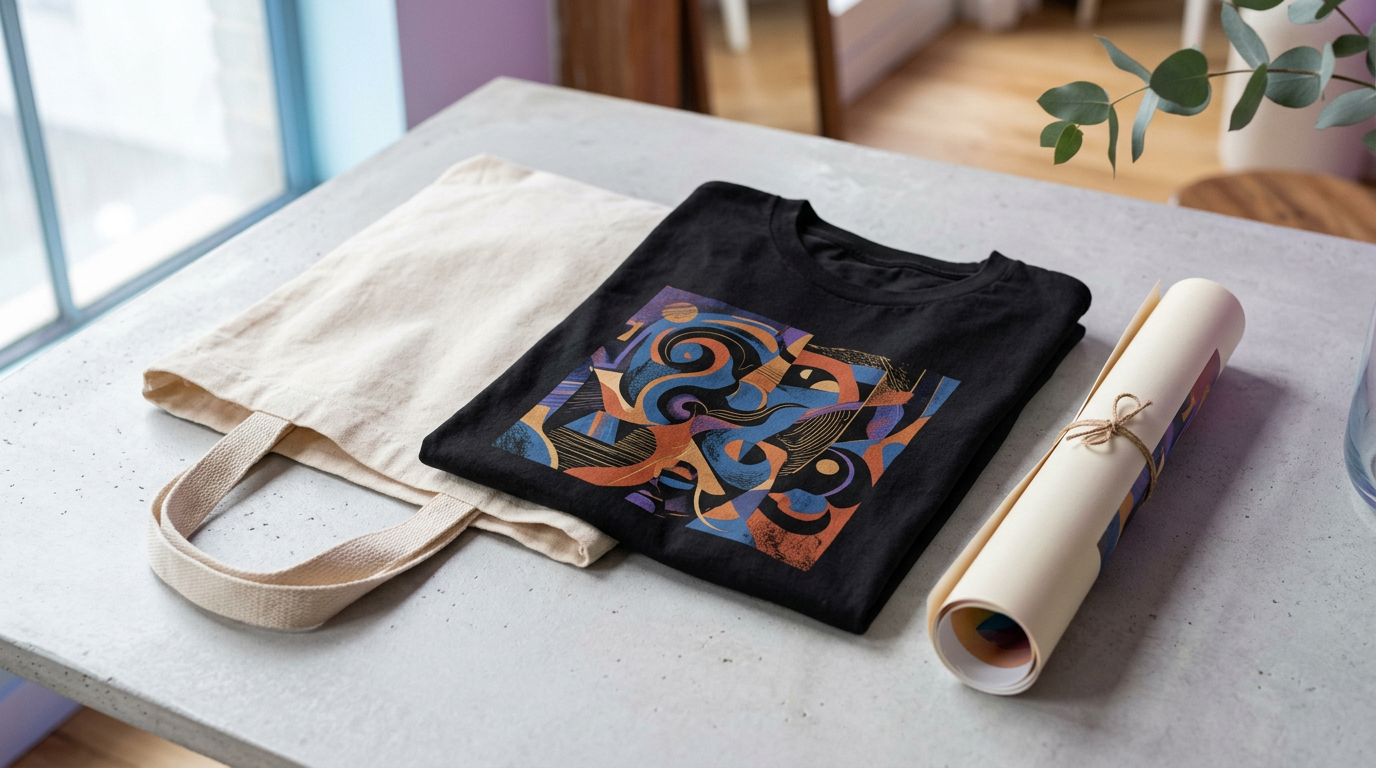
- A release-specific shirt or hoodie using album artwork or a lyric
- A bundle: record plus tee plus signed print at one price
- A tour or anniversary item that marks a moment and won't be repeated
Add one or two low-cost add-ons (stickers, a poster) so every fan can buy something, but keep the focus on the hero item.
Step 2: Choose your scarcity model
| Model | How it works | Best for |
|---|---|---|
| Limited quantity | A fixed number, e.g. 100 numbered copies | Bulk vinyl variants, signed items, posters |
| Limited time | Unlimited quantity, open for 48–72 hours or a week | On-demand merch and on-demand vinyl |
| Members first | Fan club or email list gets 24 hours' early access | Rewarding your core fans |
Time-limited drops pair perfectly with on-demand production. Because items are only made when someone orders, you can sell 30 or 3,000 without guessing, and still close the window to keep it special. Read more about print-on-demand merch and press-on-demand vinyl.
If you're doing a fixed-quantity vinyl variant, order the run well ahead. Pressing plants typically need 8–16 weeks. Our guide on how to press vinyl as an independent artist covers the timeline.
Step 3: Line it up with your music
The best drops ride on a moment that's already happening:
- Single or album release day
- Tour announcement or the first show
- A release anniversary
- A milestone (first 1,000 email subscribers, a sync placement, a sold-out show)
Make sure the music is live on streaming services the same day. If you're still choosing a distributor, compare DistroKid pricing, IIP-DDS and Magroove.
Step 4: Build hype for 7–14 days
- Day -14: Tease. Show a detail of the design or a color swatch. Don't give the date yet.
- Day -10: Open a waitlist. "Get notified when it drops." This builds your email list and tells you how much demand to expect.
- Day -7: Reveal. Full product shots, price, quantity or time window and drop date.
- Day -3: Behind the scenes. Test pressings, printing or you signing posters.
- Day -1: Last call. Remind the waitlist and give members early access if you're offering it.
Step 5: Nail launch day
- Email the waitlist first, then post on social media an hour later.
- Go live on Instagram, TikTok or YouTube to unbox, play the record or answer questions.
- Post a progress update such as "60 of 100 gone" or "24 hours left." Real numbers drive sales.
- Make checkout simple. One page, clear shipping costs, mobile-friendly. Most fans will buy on their phone.
- Sell from your own site so you capture every buyer's details, not a marketplace.
Step 6: Close it properly
Honor your scarcity. If you said 72 hours, close at 72 hours. If you said 100 copies, don't quietly press more of the same variant. Breaking that promise teaches fans they don't need to hurry next time. Post a thank-you with the final numbers. Fans love seeing that they were part of a sell-out.
Step 7: Turn buyers into repeat fans
The drop isn't over when the store closes. It's the start of a relationship:
- Send a personal thank-you email with shipping updates.
- Ask buyers to post photos with the item and reshare them.
- Tag buyers in your fan CRM so you can offer them early access to the next drop.
- Use what sold to plan your next release and merch line.
This is how merch and vinyl compound. Each drop grows the list of people who've already bought from you, and those are the easiest sales you'll ever make. For the bigger picture, see how musicians make money in 2026 and our guide to the music marketing funnel.
Merch drop checklist
- ☐ One hero product plus one or two low-cost add-ons
- ☐ Scarcity model chosen (quantity, time window or members-first)
- ☐ Production sorted: on demand, or bulk stock ordered in time
- ☐ Drop date lined up with a release or milestone
- ☐ Waitlist live at least 10 days out
- ☐ Product photos and a short launch video ready
- ☐ Store page tested on mobile
- ☐ Launch-day email and posts scheduled
- ☐ Thank-you email and buyer tags set up
Merch drop FAQs
How long should a merch drop last?
Most time-limited drops run 48 hours to one week. Shorter windows create more urgency, but give international fans at least 48 hours.
How many items should I make for a limited drop?
Use your waitlist as a guide. Aim for a quantity slightly below expected demand so it sells out. If you're unsure, run a time-limited drop with on-demand production instead of guessing a number.
Can I do a vinyl drop without paying for a pressing run?
Yes. Use press-on-demand vinyl with a time-limited window. Records are made only for the fans who order during the drop, so there's nothing to pay upfront.
Should merch drops be exclusive to my website?
Ideally, yes. Selling from your own site means you keep the buyer's details and can invite them to future drops. Marketplaces usually keep that relationship for themselves.
Sell vinyl and merch from your own website, with nothing to pay upfront
Loop Fans is the musician hub for everything you sell. From one artist website you can:
- Sell digital downloads and physical music side by side
- Order a vinyl run, or switch on press-on-demand vinyl so records are made only when fans buy them
- Add on-demand merch that's produced and shipped as orders come in
- Keep every buyer in your own fan CRM, ready for your next release