Why Musicians Need a Website, Not Just Social Media
Why Musicians Need Their Own Website (Not Just Social Media)
If you're building your music career on Instagram followers and TikTok views, you're building on rented land. The platform owns your audience. The algorithm decides who sees your content. And one policy change, one ban, one acquisition can make years of work disappear overnight.
This isn't theoretical. It happens constantly. And every time it does, the musicians who survive are the ones who had something social media can never give you: an audience they actually own.
The Rented Audience Problem
When someone follows you on Instagram, Instagram owns that relationship — not you. You can't email your followers. You can't message them directly without paying for ads. When the algorithm deprioritises music content (which it has, repeatedly), your reach collapses even as your follower count stays the same.
This is the rented audience problem. You've built something valuable, but on someone else's land. The moment the platform's interests diverge from yours — and they will — you lose access.
Musicians who rely entirely on social media for their fanbase are one algorithm change away from starting over. That's not a risk worth taking when the alternative is straightforward.
What Your Own Website Gives You
A website you control gives you things no social platform can match:
- An email list. Email subscribers are yours. No algorithm filters them. No platform can take them away. A list of 1,000 genuinely engaged fans is worth more than 20,000 passive social followers. See our complete guide to building an email list as a musician.
- A permanent home. Your website doesn't change its algorithm. It doesn't pivot to video. It doesn't get acquired and shut down. Fans can always find you there.
- Full creative control. You decide the layout, the content, the experience. No character limits, no content policies, no restrictions on how you present your music.
- A real sales channel. Merch, tickets, digital downloads, exclusive content — all sold directly to fans, with you keeping the revenue, not a platform taking a cut.
- Data you actually own. Your email list, your analytics, your customer data. You know who your fans are and how they behave.
The Real Risk of Platform Dependency
Consider what happened with MySpace. Millions of musicians built their entire online presence there — fan relationships, music libraries, promotional pages. When MySpace collapsed as a platform, most of that was simply lost. Artists who had email lists moved on. Those who didn't had to start from scratch.
TikTok faced a US ban that would have cut off access for tens of millions of users overnight. Instagram has dramatically reduced organic reach for musicians multiple times. Twitter/X has completely changed what works for music promotion. These platforms will keep changing — because their business interests and yours are not the same.
Read our full breakdown of what happens when social media goes down and what musicians should be building instead.
Your Website as a Fan Hub
The best musician websites aren't just digital brochures. They're fan hubs — places where your most dedicated listeners can go deeper, find exclusive content, join your community, and stay connected between releases.
That means including: an email list signup (the most important thing), a community space or link, exclusive content for subscribers, merch, show dates, and a clear way for new visitors to go from discovery to fan. See our full guide on how to build a music fan hub on your own website.
Social Media Still Matters — Just Not as a Foundation
This isn't an argument against social media. It's an argument against using it as your primary fan relationship tool. Social media is excellent for discovery — getting your music in front of new people. But once someone discovers you, the goal should be to move them somewhere you own: your email list, your website, your community.
Use social as a funnel, not a destination. Every post, every story, every video should have a path that leads people toward something you control.
Getting Started
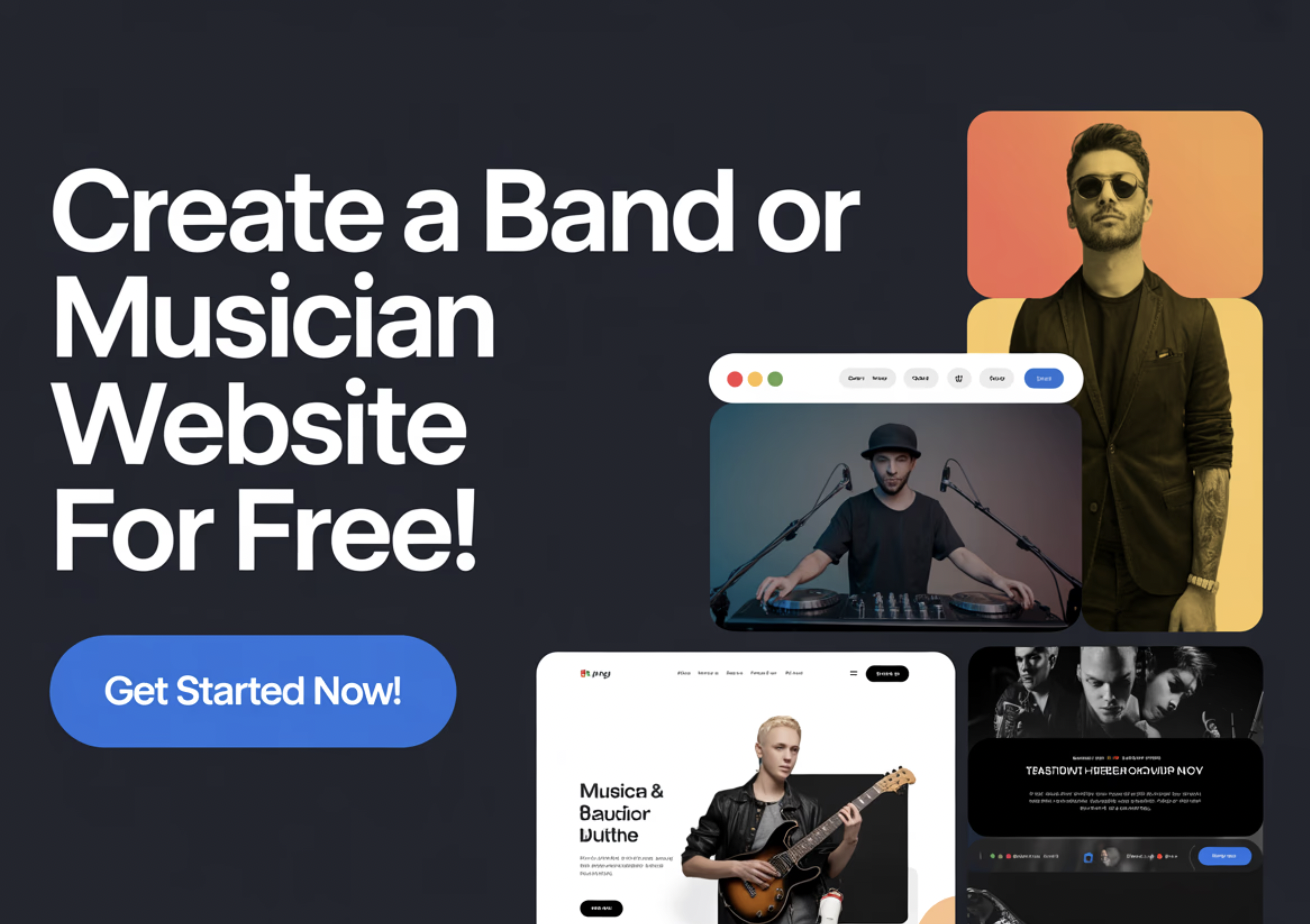
You don't need an expensive, elaborate website. You need a functional one with these basics:
- Email list signup — prominently placed, with a clear reason to join
- Your music — streaming links or embedded player
- Merch — even if it's just one item
- Show dates
- Contact info for booking and press
Start there. Add more as you grow. The important thing is to start building an audience you own before you need it — not after a platform takes the one you've built away from you.
For the bigger picture on why owning your audience is the defining creative strategy right now, see why audience ownership beats paid ads and Monetizing Your Audience Without Ads on the Loop.fans blog.
Ready to go deeper? Start with our complete guide to fan engagement for musicians — the full playbook for building an audience that lasts.
This post is part of our complete musician website and fan engagement hub: 10 Best Website Builders & Other Tools for Musicians — the full guide to building your online presence as an independent artist.
From Upload to Engagement: Why Sharing Music Is Just the Beginning
Uploading your music to free platforms is a great way to get heard. But most musicians stop there — they share their tracks and hope for the best. The ones who build real careers treat every upload as the start of a relationship, not the end of a process.
Here's the problem with relying on third-party platforms: you don't own the audience. Whether it's SoundCloud, Bandcamp, or a free website builder, the listeners who find you there belong to the platform. If it changes its terms, shuts down, or buries your content in an algorithm update, you lose access to the people who care about your music.
The alternative is building an owned online presence — a website and community hub where you control the data, the relationship, and the experience. When fans visit your site, join your email list, and participate in your community, no platform change can take them away. This is what we call the why audience ownership beats paid ads — moving from rented attention to owned audiences.
The best website builders for musicians aren't just about looking professional. They're about creating a participation engine where fans engage, share, and help you grow. Learn more about fan engagement strategies that actually work and how to turn a simple website into a growth tool.